
Regular monitoring of traffic at high-risk locations helps to identify potential problems and causes, such as inappropriate speed in hazardous areas. Such data-based measures support the overarching goal of Vision Zero to significantly reduce the number of accidents, injuries and fatalities and increase safety for everyone on the roads.
Where does traffic monitoring create real safety benefits?
A targeted traffic analysis can help to identify potential dangers at an early stage, especially where there are many road users on the road or where critical situations occur repeatedly. By evaluating relevant traffic data, our SMART platform can identify key areas where appropriate speeds should be encouraged and traffic behavior improved.
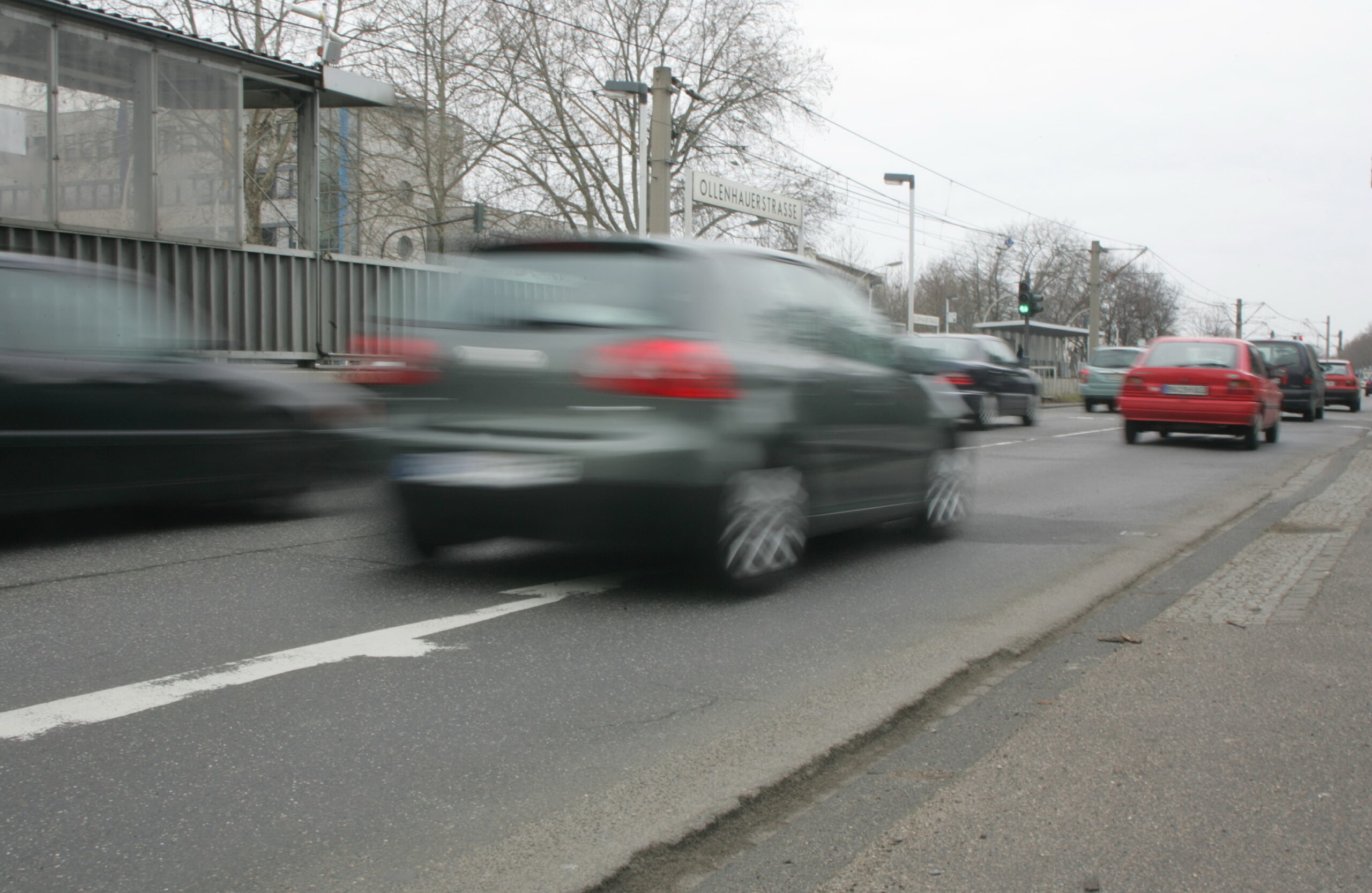
Example: Data-based speed analysis
Modern traffic analyses include various aspects, such as average driving speeds / V85, traffic density and frequency of critical situations. On this basis, it is possible to prioritize locations where an adjustment in speed would make a particular contribution to road safety – for example through road design, clearly visible traffic signs, traffic monitoring or other measures.
Road safety-optimized data analysis
The following safety-relevant traffic data from the entire road network is overlaid for the analysis:
- Hazard situation from accidents and near-accidents, evaluated as a 5-level risk score in the integrated, digital road safety map
- Speeds driven like V85 from Floating Car Data
- Traffic volume classes from floating car data
- Context data on critical times of day and weather conditions from accident data and floating car data
Thanks to the innovative data situation, in addition to accident blackspots identified by the police, locations that are on the verge of becoming accident blackspots can also be included in speed monitoring.
Conclusion: Strategic planning strengthens road safety
The strategic use of traffic monitoring and analysis increases road safety by helping to define and implement suitable measures as early as possible and to check their effectiveness. Vulnerable groups in particular, such as pedestrians and cyclists, benefit when traffic routes and speeds are designed in such a way that risks are reduced and confidence in safe mobility is increased.